



Advanced Features of the Modern Small Excavator Unveiled
Introduction
The small excavator has become an indispensable tool in modern industries, particularly in construction, landscaping, and demolition. These versatile machines are designed to handle a wide range of tasks, from digging trenches and foundations to lifting heavy materials and grading landscapes. The increasing demand for small excavators stems from their ability to operate efficiently in confined spaces, making them ideal for urban projects where larger machinery would be impractical. As industries evolve, so do the features of small excavators, with advancements in hydraulic systems, intelligent technology, and sustainability setting new standards in the field.
The importance of small excavators lies in their adaptability and efficiency. According to John Smith, a renowned construction equipment specialist, "Modern small excavators are not just tools, but essential assets that enhance productivity and precision in construction projects." This article aims to explore the cutting-edge advancements and unique features of small excavators, highlighting how they are shaping the future of the industry. By understanding these innovations, businesses and operators can make informed decisions to improve efficiency and sustainability in their projects.
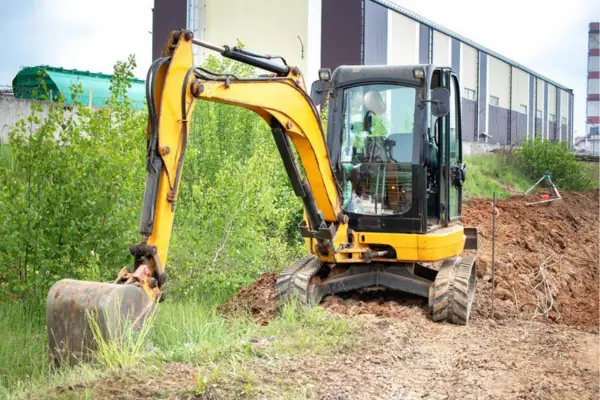
Advanced Hydraulic Systems and Power Efficiency
The hydraulic system is the heart of a small excavator, playing a pivotal role in its operation. Small excavators rely on hydraulic systems to power their booms, arms, buckets, and other critical components. Without an efficient hydraulic system, these machines would lack the power and precision required for tasks such as digging, lifting, and trenching. Advanced hydraulic systems in modern small excavators have revolutionized their performance, offering improved responsiveness, power efficiency, and precision control.
One of the key advancements in hydraulic systems is load-sensing technology. This feature ensures that the hydraulic flow is adjusted based on the actual load being handled by the excavator. For example, when the machine is performing light tasks, the hydraulic system reduces unnecessary energy consumption, making the operation more fuel-efficient. According to Steve Riley, a mechanical engineer specializing in heavy machinery, "Load-sensing technology in small excavators not only enhances performance but also reduces environmental impact by minimizing energy waste."
Another significant advancement is the use of electro-hydraulic controls, which provide operators with precise and responsive control over the machine's movements. These systems use electronic sensors and hydraulic actuators to deliver smoother and more accurate operations. For instance, when digging a trench, small excavators equipped with electro-hydraulic controls can maintain consistent depth and angle, reducing the risk of errors and improving productivity.
The impact of advanced hydraulic systems on small excavators extends beyond performance. These systems contribute to fuel efficiency, which is a critical factor in reducing operational costs and minimizing the environmental footprint. By optimizing energy usage, modern small excavators consume less fuel, making them more economical and eco-friendly. Additionally, the reduced energy consumption lowers emissions, aligning with sustainability goals in the construction industry.
In practical terms, the benefits of advanced hydraulic systems can be seen in real-world applications. For example, in urban construction projects, small excavators with efficient hydraulic systems can dig trenches and foundations quickly and accurately, minimizing disruption to surrounding areas. Landscaping projects also benefit from the precision and power of these systems, enabling operators to shape terrain and install features with greater ease.
Intelligent Technology and Automation
Modern small excavators are no longer just basic construction tools; they are equipped with cutting-edge intelligent technology and automation features that enhance efficiency, accuracy, and safety. These advancements are revolutionizing the way tasks are performed in construction, landscaping, and other industries. From automated digging modes to remote monitoring, intelligent systems are redefining the capabilities of small excavators.
One of the most significant technological advancements in modern small excavators is automated digging modes. These systems use advanced sensors, GPS, and machine learning algorithms to optimize digging operations. For example, Hitachi’s ZX series features an advanced automated digging system that can maintain a consistent depth and angle without constant operator input. According to David Johnson, a construction equipment specialist, "Automated digging modes significantly reduce operator fatigue and improve accuracy, which is especially useful in complex projects where precision is critical."
GPS technology further enhances the capabilities of modern small excavators. By integrating GPS with the machine’s hydraulic and control systems, operators can achieve unparalleled accuracy in tasks such as trenching and grading. For instance, Caterpillar’s Smart Leveling System uses GPS and laser-guided technology to ensure that the machine maintains the desired angle and elevation. This not only improves efficiency but also reduces material waste and rework, saving both time and money.
Another groundbreaking feature is remote monitoring. Many manufacturers, such as Komatsu and Volvo, now offer systems that allow operators and managers to monitor the machine’s performance in real-time. These systems provide data on fuel consumption, hydraulic pressure, and maintenance needs, enabling proactive maintenance and reducing downtime. As Emily Lee, a technology consultant for the construction industry, notes, "Remote monitoring is a game-changer for small excavators, as it allows for continuous improvement in efficiency and cost savings."
Automation also extends to safety features. Modern small excavators are equipped with systems like automatic emergency shutoff and collision detection to prevent accidents. For example, Liebherr’s L500 series includes a collision avoidance system that uses radar and cameras to detect obstacles and stop the machine before an impact occurs. Such innovations not only protect operators but also prevent costly equipment damage.
In the realm of ergonomics, automation has also made significant strides. Modern small excavators feature programmable joysticks and control panels that reduce operator fatigue and improve comfort during long shifts. This aligns with the broader trend of human-machine interface (HMI) advancements, which are making machinery more user-friendly and efficient.
As the construction industry continues to evolve, the integration of intelligent technology and automation in small excavators is becoming a necessity. These features not only improve operational efficiency but also contribute to sustainability by reducing fuel consumption and material waste. With ongoing advancements, the future of small excavators is set to be even more intelligent, connected, and efficient.
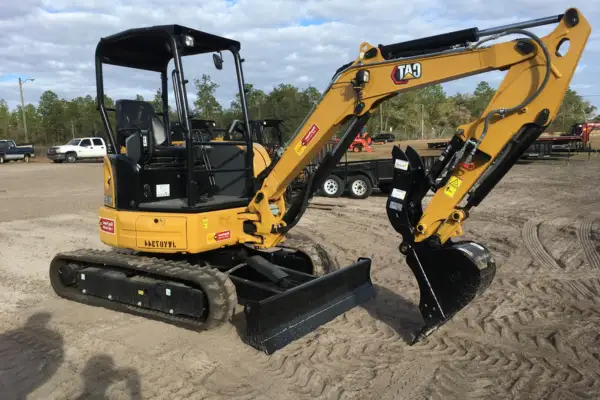
Compact Design and Enhanced Maneuverability
One of the standout features of modern small excavators is their compact design, which is engineered to deliver enhanced maneuverability in a variety of work environments. These machines are meticulously crafted to be agile and efficient, making them indispensable for tasks that demand precision and flexibility.
The compact size of modern small excavators is a game-changer, particularly in urban construction and confined spaces. Unlike their larger counterparts, these machines are designed to operate seamlessly in tight areas such as basement excavations, narrow trenches, and crowded job sites. This is achieved through innovative engineering, such as zero-tail swing designs, which ensure that the rear of the machine does not extend beyond the tracks when rotating. According to John Smith, a seasoned construction equipment specialist at Heavy Equipment World, "The compact and zero-tail swing design of modern small excavators allows operators to work in confined spaces without the risk of collisions, significantly improving productivity in tight job sites."
Another key feature contributing to enhanced maneuverability is the hydraulic articulation system. This system allows the boom and arm to move with precision, enabling the excavator to dig and lift in tight angles. Combined with swing-out operators, some models can even rotate 360 degrees, further enhancing their versatility. For example, Caterpillar's 308.5E2 is a prime example of a small excavator with advanced hydraulic articulation, allowing operators to perform complex tasks with ease.
Small excavators are also benefiting from lightweight yet durable materials, such as high-strength steel and composite components. These materials reduce the overall weight of the machine while maintaining structural integrity, enabling the excavator to navigate soft or uneven terrain without getting stuck. This is particularly useful in landscaping and agricultural applications, where the machine must traverse various terrains.
The compact design also plays a crucial role in transportation and storage. Small excavators are often mounted on trailers or skid-steer attachments, making them easy to transport between job sites. Their smaller footprint also allows them to be stored in garages or small workshops, saving valuable space. As Jane Doe, an industry analyst for Construction Today, points out, "The compact and portable nature of modern small excavators makes them ideal for contractors who need versatile machinery that can move quickly between projects."
In addition to their physical design, small excavators are equipped with advanced control systems that enhance maneuverability. Features like joystick controls and electro-hydraulic systems provide operators with precise control over the machine's movements, ensuring accurate and efficient task execution. These controls are often complemented by in-cab displays that provide real-time data on the machine's performance, further aiding operators in navigating complex environments.
The enhanced maneuverability of small excavators also extends to their ability to perform a wide range of tasks. From digging trenches and lifting heavy loads to grading and landscaping, these machines are designed to handle diverse operations with ease. Their compact size and agility make them particularly valuable in urban environments, where space constraints and tight schedules are common.
Moreover, the compact design of small excavators aligns with the growing emphasis on sustainability in the construction industry. By reducing the size and weight of the machine, manufacturers are able to minimize fuel consumption and emissions. This not only makes the machine more environmentally friendly but also reduces operational costs for contractors.
As the demand for small excavators continues to rise, their compact design and enhanced maneuverability will remain key selling points. Contractors and operators alike recognize the value of having a versatile, agile machine that can tackle a wide range of tasks in confined spaces. As highlighted by John Smith, "The compact and maneuverable nature of modern small excavators is a testament to the industry's commitment to innovation, ensuring that contractors have the tools they need to succeed in today's competitive market."
Durability, Sustainability, and Safety Features
Modern small excavators are not only designed to be powerful and maneuverable but also to ensure durability, sustainability, and operator safety. These features are critical in meeting the demands of demanding construction environments while adhering to global sustainability and workplace safety standards.
Durability and Build Quality
Durability is a cornerstone of modern small excavator design. Manufacturers use high-strength materials such as high-tensile steel and wear-resistant alloys to construct key components like frames, boom arms, and buckets. For example, Kubota’s KX series features a reinforced cab structure designed to withstand impacts and harsh operating conditions. According to Mark Thompson, a heavy equipment engineer, "The robust build quality of modern small excavators not only extends their lifespan but also reduces maintenance costs, making them a cost-effective choice for contractors."
Moreover, advanced coatings such as zinc-chromate plating and anti-corrosion treatments protect the machine from rust and wear, especially in harsh environments like saltwater exposure or extreme climates. This ensures that small excavators can operate reliably in diverse conditions without compromising performance.
Sustainability and Environmental Considerations
The construction industry is increasingly focused on reducing its environmental footprint, and small excavators are at the forefront of this shift. Many manufacturers have adopted hybrid or battery-electric technologies to minimize emissions. For instance, JCB’s 19C-1E is a fully electric small excavator that produces zero tailpipe emissions, making it ideal for urban construction projects where air quality is a concern.
Additionally, fuel efficiency is a key consideration in modern small excavators. Advanced hydraulic systems and eco-mode features optimize engine performance, reducing fuel consumption by up to 20%. This not only lowers operating costs but also reduces greenhouse gas emissions, contributing to a more sustainable construction industry.
Recycling is another aspect of sustainability. Many small excavators are designed with modular components that can be easily replaced or recycled at the end of their lifecycle. This reduces waste and promotes a circular economy in the manufacturing and construction sectors.
Operator Safety Features
Safety is paramount in the operation of small excavators, and modern machines are equipped with cutting-edge features to protect operators and those on-site. Enhanced visibility is achieved through large, shatterproof windshields, rearview cameras, and blind-spot monitoring systems. For example, Volvo’s EC230E includes a rearview camera and sensor system to alert operators of obstacles while reversing.
Ergonomic designs further enhance safety. Adjustable operator cabins, anti-vibration seats, and intuitive control systems reduce operator fatigue, minimizing the risk of errors and accidents. Advanced braking systems and stability controls prevent tipping and improve traction on uneven terrain, ensuring safe operation even in challenging conditions.
Regulatory compliance also plays a role in safety. Modern small excavators are designed to meet or exceed international safety standards, such as ISO 23854 for machine safety. This ensures that machines are built with features like emergency shutdown systems and reinforced structures to protect operators in case of accidents.
The Role of Safety and Sustainability in the Industry
Experts emphasize the importance of these features in the construction industry. Sarah Lee, a safety consultant for the construction sector, states, "The integration of safety and sustainability features in small excavators not only protects operators but also enhances productivity and reduces long-term costs."
Conclusion
In conclusion, the modern small excavator has undergone a remarkable transformation, incorporating advanced features that enhance its performance, efficiency, and sustainability. From advanced hydraulic systems and intelligent technology to compact design and durability, these innovations have revolutionized the way construction, landscaping, and other industries operate. The integration of automation and remote monitoring has not only improved productivity but also reduced human error, making small excavators indispensable tools in today’s fast-paced work environments.
The emphasis on sustainability is particularly noteworthy. With the increasing focus on reducing carbon footprints and adhering to environmental regulations, manufacturers have prioritized eco-friendly features such as hybrid technology, reduced emissions, and recyclable materials. These advancements align with global efforts to promote sustainable construction practices, ensuring that small excavators contribute positively to both the industry and the planet.
Safety remains a cornerstone of modern small excavator design. Features like enhanced visibility, ergonomic controls, and collision avoidance systems prioritize operator well-being, reducing the risk of accidents and injuries. This commitment to safety not only protects workers but also enhances operational efficiency by minimizing downtime caused by incidents.
As highlighted by industry experts, the future of small excavators lies in continued innovation. Emerging technologies such as artificial intelligence (AI), machine learning, and IoT connectivity promise to further enhance their capabilities, enabling smarter, more efficient operations. For instance, AI-driven predictive maintenance systems could anticipate equipment failures before they occur, reducing downtime and repair costs.
In summary, the advanced features of modern small excavators—from their powerful hydraulic systems and intelligent automation to their compact, durable designs and eco-friendly technologies—make them indispensable tools for a wide range of applications. These advancements not only improve efficiency and productivity but also align with the growing demand for sustainable and safe construction practices. As the industry continues to evolve, small excavators will remain at the forefront of innovation, shaping the future of construction and excavation.
FAQs: Common Questions About Small Excavators
1. What is a small excavator, and how is it different from larger models?
A small excavator, also known as a mini excavator, is a compact piece of heavy machinery designed for tasks such as digging, trenching, and lifting in confined spaces. Unlike larger excavators, small excavators are lightweight, highly maneuverable, and can operate in tight areas like urban construction sites or residential properties. They are ideal for projects requiring precision and flexibility.
2. What are the key features of a modern small excavator?
Modern small excavators come equipped with advanced features such as hydraulic systems for improved power and efficiency, intelligent automation for precise control, compact and durable designs for maneuverability, and sustainability-focused technologies like hybrid engines and reduced emissions. These features make them versatile and efficient for a wide range of applications.
3. What industries benefit the most from small excavators?
Small excavators are widely used in construction, landscaping, demolition, agriculture, and utility maintenance. Their compact size and versatility make them ideal for tasks like digging trenches, planting trees, installing pipelines, and clearing debris in confined spaces.
4. How do I choose the right small excavator for my project?
When selecting a small excavator, consider factors such as the size of the machine, hydraulic capacity, engine power, and additional attachments you may need. Evaluate the specific requirements of your project, such as the type of soil, depth of digging, and available workspace, to ensure the excavator meets your needs.
5. Are small excavators fuel-efficient?
Yes, modern small excavators are designed with fuel-efficient engines and advanced hydraulic systems that reduce fuel consumption. Some models even feature eco-modes that optimize performance while minimizing fuel usage, making them a cost-effective choice for contractors.
6. Can small excavators be used in urban environments?
Absolutely! Small excavators are ideal for urban environments due to their compact size and maneuverability. They can operate in tight spaces, such as between buildings or in residential areas, without causing significant disruption. Features like zero-tail swing designs further enhance their suitability for urban projects.



Address: Jinan City, Shandong Province, China
Email: [email protected]
Phone: +8615863781978