



Skid Steer Loaders are compact, highly versatile machines that have become essential in construction, landscaping, and other industries requiring efficient work in tight spaces. Known for their agility and ability to pivot in place, these construction loaders excel in confined environments like urban job sites, indoor renovations, or small-scale excavation projects. With powerful hydraulic systems and a wide range of attachments—such as buckets, forks, and augers—Skid Steer Loaders can perform tasks from digging and grading to material handling, making them a go-to solution for diverse project needs.The strength of Skid Steer Loaders lies in their ability to combine robust performance with a small footprint, enabling operators to navigate narrow pathways and restricted areas with ease. Recent advancements, including eco-friendly electric models and smart control systems, enhance their efficiency and sustainability, aligning with modern industry demands. As versatile compact equipment, Skid Steer Loaders empower contractors to maximize productivity while minimizing costs, solidifying their reputation as indispensable tools for compact workspaces.
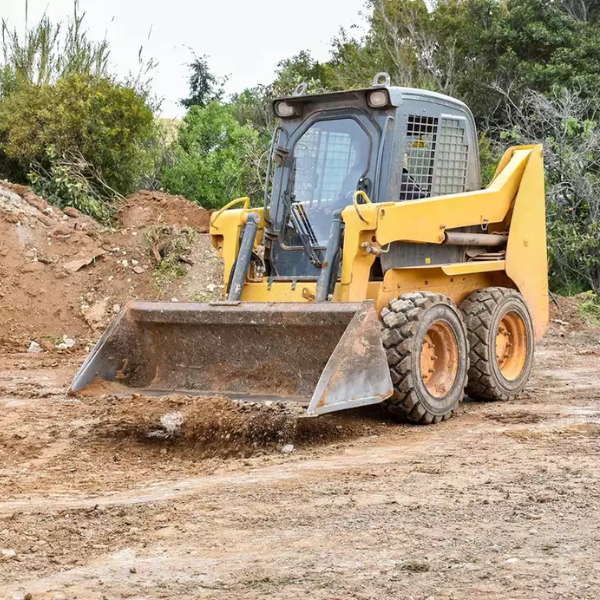
Skid Steer Loader Recommend Products

Skid Steer Loader Detail Introduction
Introduction
In the realm of compact construction and landscaping, Skid Steer Loaders have become essential tools, renowned for their ability to perform a wide range of tasks in confined workspaces. These compact equipment machines, characterized by their small footprint and agile maneuverability, excel in environments where larger machinery struggles, such as urban job sites, indoor projects, and tight landscaping areas. By combining powerful hydraulics with versatile attachments, Skid Steer Loaders enable operators to tackle everything from excavation to material handling with precision and efficiency. As noted by Dr. Emily Rogers, a construction equipment specialist at the University of California, “Skid Steer Loaders have revolutionized small-scale projects, offering unmatched flexibility in spaces where versatility is paramount.”
The evolution of Skid Steer Loaders began in the late 1950s when the first models were developed to address the need for agile construction loaders in agricultural and industrial settings. Over the decades, advancements in design and technology have transformed these machines into sophisticated versatile machinery, with manufacturers like Bobcat and John Deere leading the charge. By the 2000s, Skid Steer Loaders had become a staple in construction and landscaping, thanks to their ability to swap attachments for tasks like digging, lifting, and grading, all within a compact frame.
The importance of versatility in small-scale and confined projects cannot be overstated, and Skid Steer Loaders are perfectly suited to meet these demands. Their ability to navigate narrow pathways, operate indoors, and adapt to diverse tasks makes them indispensable for modern contractors. Whether it’s reshaping a city park or renovating a commercial space, Skid Steer Loaders provide the power and adaptability needed to succeed in compact workspaces, setting the stage for their growing prominence in the industry.
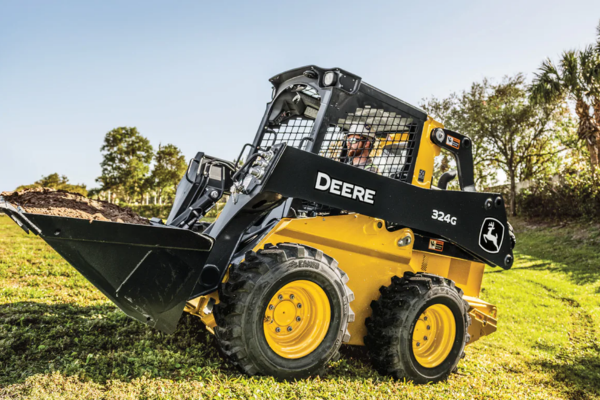
Core Features of Skid Steer Loaders
The exceptional performance of Skid Steer Loaders in compact workspaces is driven by their innovative design and core features, making them a standout choice among construction loaders. Their compact design and maneuverability allow Skid Steer Loaders to operate effectively in tight spaces, such as urban job sites or indoor environments. With a low center of gravity and a unique skid-steering mechanism, these machines can pivot in place, enabling precise navigation through narrow pathways or crowded areas. According to Mark Thompson, a senior engineer at Caterpillar, “The compact agility of Skid Steer Loaders is unmatched, giving operators the confidence to tackle tasks in the most confined settings.”
A defining feature of Skid Steer Loaders is their attachment versatility, which enables them to perform multiple tasks with a single machine. From buckets for digging to pallet forks for material handling and augers for drilling, these versatile machinery units can quickly swap attachments to suit project needs. This adaptability reduces the need for additional equipment, saving time and resources on small-scale projects. The universal quick-attach system standard in modern Skid Steer Loaders ensures seamless transitions between tasks, enhancing their compact equipment’s overall efficiency.
Underpinning these capabilities are the hydraulic power and control systems that drive Skid Steer Loaders. High-flow hydraulic systems deliver the force needed for heavy-duty tasks like lifting or breaking ground, while advanced control interfaces provide operators with intuitive handling. Joystick controls and ergonomic cabs enhance precision, allowing for smooth operation even in challenging conditions. These features collectively make Skid Steer Loaders a powerful and flexible solution for compact workspaces, cementing their role as essential tools in modern construction and landscaping.
Applications of Skid Steer Loaders in Compact Workspaces
The adaptability of Skid Steer Loaders makes them invaluable across a variety of compact workspaces, where their small size and versatility shine. In urban landscaping and small construction sites, Skid Steer Loaders are widely used for tasks like grading, digging, and material transport. Their ability to maneuver through narrow pathways and operate in confined areas, such as city parks or residential yards, allows contractors to complete projects efficiently without disrupting surrounding environments. Landscape architect Sarah Bennett notes, “Skid Steer Loaders are a game-changer for urban projects, enabling precise work in spaces where larger construction loaders simply can’t fit.”
In material handling and excavation, Skid Steer Loaders demonstrate their prowess by tackling tasks that require both power and precision. Equipped with attachments like buckets, forks, or grapples, these versatile machinery units excel at moving soil, gravel, or debris, as well as lifting pallets of materials in tight construction zones. Their compact design ensures they can access small job sites, such as backyards or alleyways, while their hydraulic systems provide the strength needed for excavation tasks. This makes Skid Steer Loaders a go-to choice for contractors working on small-scale infrastructure or utility projects.
For indoor and restricted-space projects, Skid Steer Loaders offer unmatched utility, particularly in renovations or warehouse operations. Their compact footprint and zero-turn radius allow them to navigate inside buildings or through doorways, supporting tasks like demolition, debris removal, or flooring installation. Electric or low-emission models of compact equipment further enhance their suitability for indoor use by reducing fumes and noise. From commercial remodels to confined industrial settings, Skid Steer Loaders provide the flexibility and efficiency needed to succeed in the most challenging workspaces.
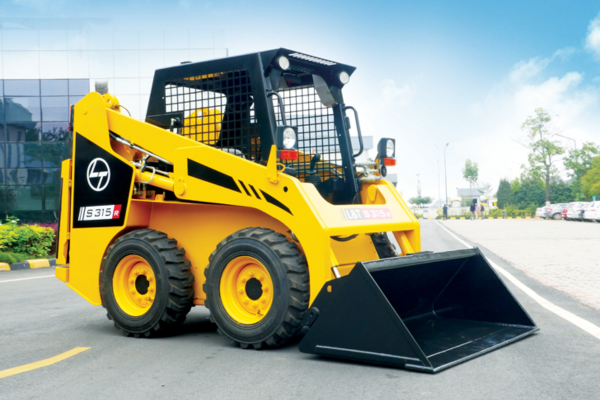
Advantages of Using Skid Steer Loaders
The widespread use of Skid Steer Loaders in compact workspaces is driven by their numerous advantages, which significantly enhance project outcomes. One of the primary benefits is enhanced productivity in tight spaces. The compact design and zero-turn radius of Skid Steer Loaders allow them to operate efficiently in confined areas, such as urban lots or indoor environments, where larger construction loaders would struggle. This agility enables operators to complete tasks like digging, lifting, or grading quickly, minimizing project delays. As construction manager David Patel from Turner Construction states, “Skid Steer Loaders boost productivity by delivering big-machine power in a small footprint, perfect for tight job sites.”
Another key advantage is the cost-effectiveness and reduced labor requirements of Skid Steer Loaders. Their ability to perform multiple tasks with interchangeable attachments eliminates the need for additional machinery, lowering equipment rental or purchase costs. Additionally, Skid Steer Loaders streamline operations by reducing the number of workers needed for tasks like material handling or excavation, further cutting labor expenses. This makes them an economical choice for small-scale projects, allowing contractors to maximize budgets without compromising on performance in compact equipment applications.
The adaptability of Skid Steer Loaders to diverse job requirements further solidifies their value. Whether equipped with a bucket for excavation, a brush cutter for landscaping, or a pallet fork for material transport, these versatile machinery units can switch roles seamlessly, catering to the unique needs of each project. This flexibility ensures that Skid Steer Loaders remain effective across various industries, from construction to agriculture, providing contractors with a single, reliable solution for tackling complex challenges in compact workspaces.
Technological Innovations in Skid Steer Loaders
The continued relevance of Skid Steer Loaders in compact workspaces is fueled by groundbreaking technological innovations that enhance their performance and sustainability. The integration of smart controls and automation has revolutionized how Skid Steer Loaders operate, offering greater precision for complex tasks. Features like programmable joysticks, automated attachment recognition, and real-time performance monitoring enable operators to execute jobs such as grading or material handling with exceptional accuracy. According to Dr. Laura Kim, a construction technology researcher at MIT, “The smart systems in modern Skid Steer Loaders empower operators to achieve pinpoint precision, transforming efficiency in compact equipment applications.”
Significant strides have also been made in eco-friendly advancements in Skid Steer Loader designs, aligning with the construction industry’s push for sustainability. Manufacturers are introducing electric and hybrid models that reduce emissions and noise, making them ideal for indoor projects or urban environments with strict environmental regulations. Additionally, lightweight materials and optimized hydraulic systems improve fuel efficiency without sacrificing power, enhancing the eco-credentials of these construction loaders. These green innovations ensure that Skid Steer Loaders meet the demands of environmentally conscious contractors.
Looking to the future, trends in compact equipment technology point toward increased automation and connectivity for Skid Steer Loaders. Emerging developments include remote operation capabilities and integration with telematics systems, which allow for real-time tracking of machine performance and maintenance needs. These advancements promise to further streamline operations, reduce downtime, and enhance safety in confined workspaces. By embracing these cutting-edge technologies, Skid Steer Loaders are poised to remain at the forefront of versatile machinery, driving innovation in small-scale construction and landscaping projects.
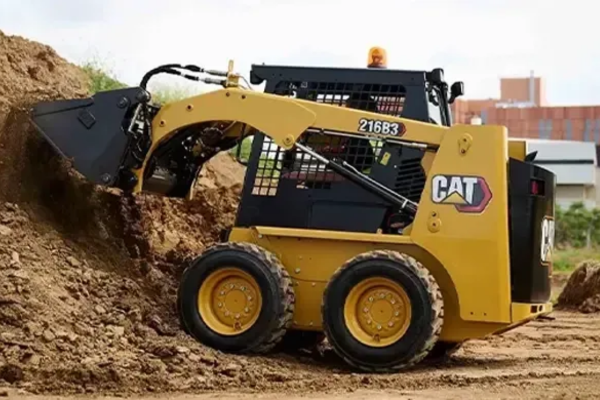
Case Studies: Skid Steer Loaders in Action
The practical applications of Skid Steer Loaders demonstrate their transformative impact in compact workspaces, showcasing their efficiency and adaptability. A successful urban landscaping project in Seattle highlights their capabilities. Tasked with redesigning a small city park within a confined downtown area, contractors relied on Skid Steer Loaders to perform grading, soil removal, and tree planting. Equipped with various attachments, including buckets and augers, these compact equipment units navigated narrow pathways effortlessly, completing the project ahead of schedule. Landscape designer Anna Torres remarked, “Skid Steer Loaders were essential for our tight workspace, delivering versatility that larger construction loaders couldn’t match.”
In another instance, Skid Steer Loaders proved their efficiency in a confined construction site during the renovation of a historic commercial building in Boston. The project required demolition, debris removal, and material transport within a cramped indoor space. Using Skid Steer Loaders with grapple buckets and pallet forks, the crew efficiently cleared rubble and delivered materials through narrow doorways. The machines’ compact design and precise controls minimized disruption to the building’s structure. Project supervisor Michael Lee noted, “The agility of Skid Steer Loaders made all the difference, allowing us to work swiftly in a space where other versatile machinery would have struggled.”
Key takeaways from real-world Skid Steer Loader applications emphasize their ability to enhance productivity and overcome spatial limitations. These case studies illustrate how Skid Steer Loaders excel in navigating tight environments, adapting to diverse tasks, and reducing project timelines. Their success in urban landscaping and confined construction underscores their critical role in modern compact equipment solutions, offering contractors a reliable and efficient tool for tackling challenging workspaces.
Conclusion
The unparalleled versatility of Skid Steer Loaders has established them as indispensable tools for compact workspaces, transforming how contractors approach urban landscaping, confined construction, and indoor projects. Their compact design, attachment flexibility, and cutting-edge technologies like smart controls and eco-friendly systems enable efficient, precise, and sustainable operations in the most challenging environments. Real-world applications highlight their ability to boost productivity and adaptability, making Skid Steer Loaders a cornerstone of modern compact equipment solutions.
As the demand for efficient and flexible machinery grows, embracing Skid Steer Loaders is a strategic choice for contractors aiming to excel in small-scale and restricted-space projects. By leveraging their advanced features and proven performance, businesses can navigate complex job sites with confidence. Investing in Skid Steer Loaders ensures readiness for the evolving needs of construction and landscaping, solidifying their role as essential versatile machinery in today’s dynamic industry.
FAQs: Common Questions About Skid Steer Loaders
What is a Skid Steer Loader and how does it function?
A Skid Steer Loader is a compact, versatile machine used in construction loaders and landscaping for tasks like digging, lifting, and grading. Its skid-steering mechanism allows it to pivot in place, making it ideal for tight spaces. Powered by hydraulic systems, Skid Steer Loaders use interchangeable attachments, such as buckets or forks, to perform various functions, enhancing their role as versatile machinery in compact workspaces.
What tasks can Skid Steer Loaders perform in compact workspaces?
Skid Steer Loaders excel in tasks like excavation, material handling, and landscaping in confined areas. They can grade soil, move debris, lift pallets, or drill holes with attachments like augers or grapples. Their compact size and maneuverability make them perfect for urban sites, indoor projects, and other compact equipment applications where space is limited.
How do Skid Steer Loaders compare to other compact equipment?
Unlike mini excavators or compact tractors, Skid Steer Loaders offer superior maneuverability and attachment versatility. Their zero-turn radius and ability to switch between tasks like digging and lifting set them apart. While other construction loaders may focus on specific functions, Skid Steer Loaders provide a multi-purpose solution for diverse compact workspace needs.
Are Skid Steer Loaders environmentally friendly?
Modern Skid Steer Loaders incorporate eco-friendly advancements, such as electric or hybrid models that reduce emissions and noise, ideal for indoor or urban use. Lightweight materials and efficient hydraulics further enhance fuel economy, making these versatile machinery units a sustainable choice for environmentally conscious projects.
What safety features do Skid Steer Loaders include?
Skid Steer Loaders are equipped with safety features like rollover protective structures (ROPS), backup cameras, and advanced joystick controls for precise operation. Real-time monitoring systems and ergonomic cabs enhance operator safety, ensuring reliable performance in challenging compact equipment environments.