



Wheel Loaders are robust and versatile machines that serve as the backbone of material handling in construction, mining, and other heavy industries. Designed with powerful hydraulic systems and large front-mounted buckets, these heavy equipment units excel at scooping, lifting, and transporting massive volumes of materials like earth, gravel, or ore. Their ability to operate across diverse terrains and handle demanding tasks makes Wheel Loaders essential for projects requiring speed, strength, and efficiency, from road construction to quarry operations.The strength of Wheel Loaders lies in their advanced features, such as articulated steering for maneuverability and high load capacities that rival other construction machinery. Recent innovations, including eco-friendly engines and telematics for real-time monitoring, enhance their sustainability and performance. As critical mining loaders, Wheel Loaders empower operators to maximize productivity while minimizing costs, cementing their role as indispensable tools in large-scale industrial applications.
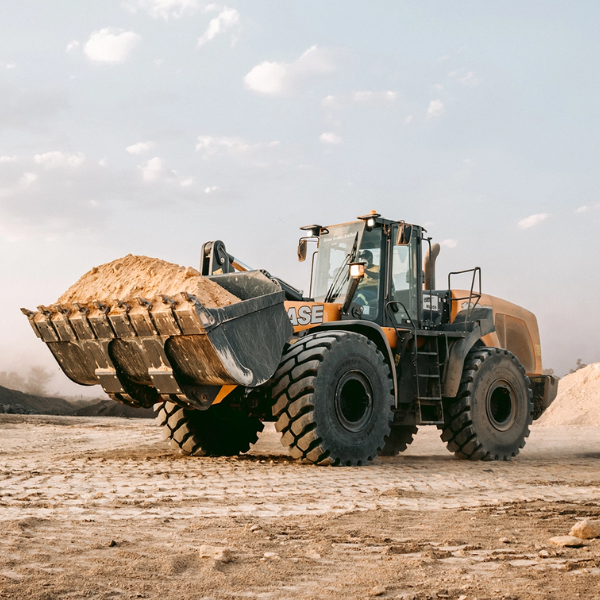
Wheel Loader Recommend Products

Wheel Loader Detail Introduction
Introduction
Wheel Loaders are powerhouse machines that play a pivotal role in boosting productivity across heavy industries, particularly in construction and mining. These robust heavy equipment units are designed to scoop, lift, and transport large volumes of materials, such as earth, gravel, or ore, with remarkable efficiency. Their ability to handle demanding tasks in challenging environments makes Wheel Loaders indispensable for large-scale projects, from building highways to extracting minerals. As Dr. Richard Evans, a heavy machinery expert at the University of Michigan, states, “Wheel Loaders are the backbone of material handling in construction and mining, driving efficiency where speed and strength are critical.”
The historical development of Wheel Loaders began in the early 20th century, with rudimentary designs evolving into the sophisticated construction machinery we see today. By the 1950s, manufacturers like Caterpillar and Komatsu introduced models with articulated steering and hydraulic systems, significantly enhancing their functionality. Over the decades, Wheel Loaders have become synonymous with reliability and power, adapting to the growing demands of industrialization and urbanization. Their evolution has been marked by continuous improvements in load capacity, fuel efficiency, and operator comfort, solidifying their status in mining loaders and beyond.
In large-scale projects, productivity is paramount, and Wheel Loaders are uniquely positioned to meet this need. Their ability to move massive quantities of material quickly and operate across diverse terrains ensures that timelines are met and costs are minimized. Whether it’s clearing land for a new infrastructure project or managing overburden in a mining operation, Wheel Loaders deliver unmatched performance, making them a cornerstone of modern heavy industries and a key driver of operational success.
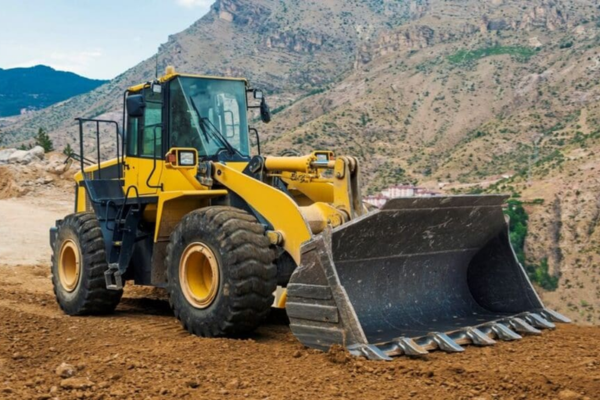
Key Features of Wheel Loaders
The exceptional performance of Wheel Loaders in construction and mining is driven by their advanced design and key features, which make them a standout among heavy equipment. Their robust design and high load capacity enable Wheel Loaders to handle substantial volumes of materials, such as soil, rock, or ore, with ease. Models like those from Volvo and John Deere can lift anywhere from 1 to over 20 tons, depending on size, making them ideal for demanding tasks like earthmoving or quarry operations. As noted by Susan Carter, a senior engineer at Komatsu, “The sheer strength of Wheel Loaders allows them to tackle the toughest material handling jobs, boosting productivity on any site.”
Another critical feature is the articulated steering of Wheel Loaders, which provides enhanced maneuverability in challenging environments. This design allows the front and rear sections of the machine to pivot independently, enabling tight turns and precise navigation around obstacles or in confined spaces. Whether operating on uneven mining terrain or navigating a busy construction site, Wheel Loaders deliver agility that larger construction machinery often lacks, ensuring efficient workflows and reduced downtime.
The advanced hydraulic systems in Wheel Loaders further enhance their efficiency in material handling. These systems provide smooth and responsive control, allowing operators to scoop, lift, and dump materials with precision. Coupled with features like load-sensing hydraulics, which optimize power distribution, Wheel Loaders minimize fuel consumption while maximizing performance. This combination of strength, agility, and precision makes Wheel Loaders indispensable mining loaders, capable of meeting the rigorous demands of heavy industries with unparalleled reliability.
Applications of Wheel Loaders in Construction and Mining
Wheel Loaders are integral to a wide range of tasks in construction and mining, where their power and versatility significantly enhance operational efficiency. In earthmoving and material transport, Wheel Loaders excel at scooping and moving large quantities of soil, gravel, or debris across construction sites. They are commonly used for site preparation, road building, and land clearing, where their high load capacity ensures rapid progress. According to Michael Torres, a construction project manager at Bechtel, “Wheel Loaders are unmatched in their ability to handle bulk materials, making them essential for keeping large-scale construction machinery projects on track.”
In mining operations, Wheel Loaders play a critical role in ore and overburden handling. These mining loaders are deployed to load extracted minerals into trucks or manage the removal of overburden to access valuable deposits. Their robust design allows them to operate in harsh conditions, such as rocky quarries or open-pit mines, while their articulated steering ensures maneuverability in tight spaces. Whether stockpiling materials or feeding processing plants, Wheel Loaders streamline workflows, reducing cycle times and boosting productivity in demanding mining environments.
Additionally, Wheel Loaders provide vital support for infrastructure projects, such as highways, dams, and airports. They are used to transport heavy materials, level surfaces, and assist in laying foundations, ensuring seamless progress in complex developments. Their ability to operate across diverse terrains, from muddy construction sites to rocky landscapes, makes Wheel Loaders a versatile asset in heavy equipment applications. By facilitating fast and efficient material handling, Wheel Loaders contribute significantly to the success of large-scale infrastructure initiatives, solidifying their importance in modern construction and mining.
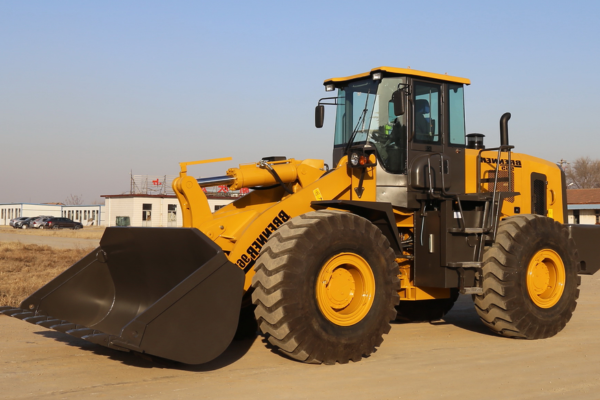
Benefits of Using Wheel Loaders
The widespread adoption of Wheel Loaders in construction and mining is driven by their ability to deliver significant benefits that optimize project performance. One of the most notable advantages is increased operational efficiency and reduced cycle times. With their high load capacity and powerful hydraulic systems, Wheel Loaders can move large volumes of material quickly, minimizing the time required for tasks like earthmoving or ore loading. This efficiency translates to faster project completion and lower operational costs. As noted by Dr. Karen Liu, a heavy equipment specialist at Purdue University, “Wheel Loaders streamline workflows, allowing contractors to achieve more in less time with reliable construction machinery.”
Another key benefit is the versatility of Wheel Loaders across diverse terrains and tasks. Whether navigating muddy construction sites, rocky mining pits, or uneven infrastructure projects, these mining loaders maintain stability and performance. Their ability to handle various attachments, such as buckets, forks, or grapples, enables them to switch between tasks like digging, lifting, or material transport with ease. This adaptability reduces the need for multiple machines, making Wheel Loaders a cost-effective solution for complex heavy equipment requirements.
Enhanced operator comfort and safety further elevate the value of Wheel Loaders. Modern models feature ergonomic cabs with climate control, intuitive joystick controls, and advanced safety systems like rearview cameras and proximity sensors. These features reduce operator fatigue and improve precision, while ensuring safer operations in high-risk environments. By prioritizing both productivity and user well-being, Wheel Loaders empower contractors to tackle demanding construction and mining projects with confidence, solidifying their role as indispensable tools in heavy industries.
Technological Advancements in Wheel Loaders
The evolution of Wheel Loaders has been propelled by transformative technological advancements, enhancing their efficiency, sustainability, and precision in construction and mining. The integration of automation and telematics in Wheel Loaders has revolutionized operational capabilities. Features like automated bucket control, load-weighing systems, and GPS-guided navigation enable precise material handling and reduce operator error. Telematics systems provide real-time data on fuel usage, maintenance needs, and machine performance, optimizing uptime and productivity. As stated by Dr. James Patel, a construction technology expert at Stanford University, “The automation in modern Wheel Loaders is a game-changer, driving efficiency in heavy equipment like never before.”
Significant progress has also been made in eco-friendly innovations for Wheel Loaders, aligning with the industry’s focus on sustainable operations. Manufacturers are introducing hybrid and electric models that reduce emissions and fuel consumption, making them suitable for environmentally sensitive projects. Advanced engine technologies, such as Tier 5-compliant systems, further minimize environmental impact while maintaining the power needed for mining loaders. Lightweight materials and optimized hydraulic systems enhance fuel efficiency, ensuring Wheel Loaders meet the demands of green construction and mining initiatives.
Looking forward, future trends in Wheel Loader technology point toward greater connectivity and autonomy. Developments like remote operation and fully autonomous construction machinery are on the horizon, promising to enhance safety and efficiency in hazardous environments. Integration with IoT platforms will enable seamless fleet management, allowing contractors to monitor multiple Wheel Loaders across sites. These advancements position Wheel Loaders as leaders in the evolution of heavy equipment, ensuring they continue to drive productivity and innovation in construction and mining for years to come.
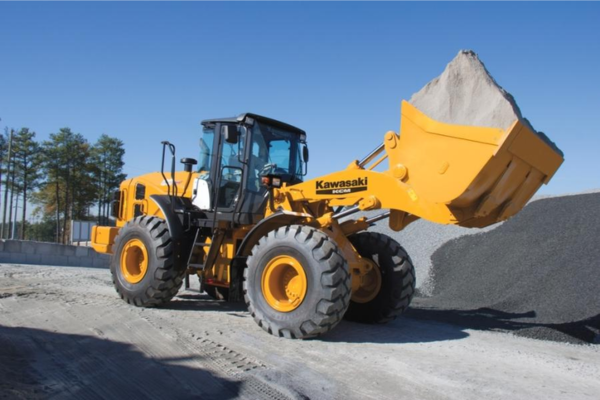
Conclusion
Wheel Loaders have proven to be indispensable in enhancing productivity across construction and mining, delivering unmatched efficiency, versatility, and reliability. Their robust design, advanced technologies, and ability to handle diverse tasks—from earthmoving to ore handling—make them critical to the success of large-scale projects. Real-world applications, such as highway construction and mining operations, underscore how Wheel Loaders streamline workflows and reduce costs, solidifying their role as essential heavy equipment in modern industries.
As construction and mining demands evolve, adopting advanced Wheel Loader solutions is crucial for staying competitive. With innovations like automation, eco-friendly systems, and telematics, these construction machinery units are poised to meet future challenges with precision and sustainability. Contractors and operators are encouraged to invest in Wheel Loaders to optimize performance and drive success in their projects, ensuring they remain at the forefront of industry advancements.
FAQs: Common Questions About Wheel Loaders
What is a Wheel Loader and what does it do?
A Wheel Loader is a powerful heavy equipment machine used in construction and mining for scooping, lifting, and transporting materials like soil, gravel, or ore. Equipped with a front-mounted bucket, Wheel Loaders excel in tasks such as earthmoving, material handling, and site preparation, making them vital for large-scale projects requiring efficient construction machinery.
What are the primary benefits of using Wheel Loaders?
Wheel Loaders enhance productivity by offering high load capacity, versatility, and fast cycle times. They reduce operational costs through efficient material handling and provide operator comfort with ergonomic cabs and safety features. Their adaptability across terrains makes them a top choice for mining loaders and construction applications.
How do Wheel Loaders differ from other loaders?
Unlike skid steer loaders or backhoe loaders, Wheel Loaders are larger, with greater load capacities and articulated steering for superior maneuverability. Designed for heavy-duty tasks, they outperform smaller construction loaders in bulk material handling, making them ideal for mining and large infrastructure projects.
Are Wheel Loaders environmentally friendly?
Modern Wheel Loaders incorporate eco-friendly innovations, including hybrid or electric models and Tier 5-compliant engines that reduce emissions. Optimized hydraulics and lightweight materials improve fuel efficiency, ensuring Wheel Loaders support sustainable practices in heavy equipment operations.
What safety features are included in Wheel Loaders?
Wheel Loaders are equipped with advanced safety features like rearview cameras, proximity sensors, and load-weighing systems to prevent accidents. Ergonomic cabs with intuitive controls and robust frames enhance operator safety, making Wheel Loaders reliable for demanding construction machinery environments.