



Large Excavators are formidable machines engineered for the most demanding tasks in heavy-duty construction and mining, delivering unmatched power and precision. These heavy machinery giants excel at deep excavation, massive earthmoving, and material handling, making them essential for projects like skyscraper foundations, dams, and open-pit mines. With robust builds and advanced hydraulic systems, Large Excavators can move tons of earth efficiently, ensuring large-scale projects stay on track and within budget.The versatility of Large Excavators is enhanced by innovations like GPS-guided controls, eco-friendly engines, and automated digging systems, which improve accuracy and sustainability. Capable of operating in harsh conditions, from rocky quarries to urban redevelopment sites, these construction excavators offer durability and operator comfort through ergonomic cabs and safety features. As critical earthmoving equipment, Large Excavators empower contractors to tackle ambitious projects with confidence, driving progress in the construction industry.
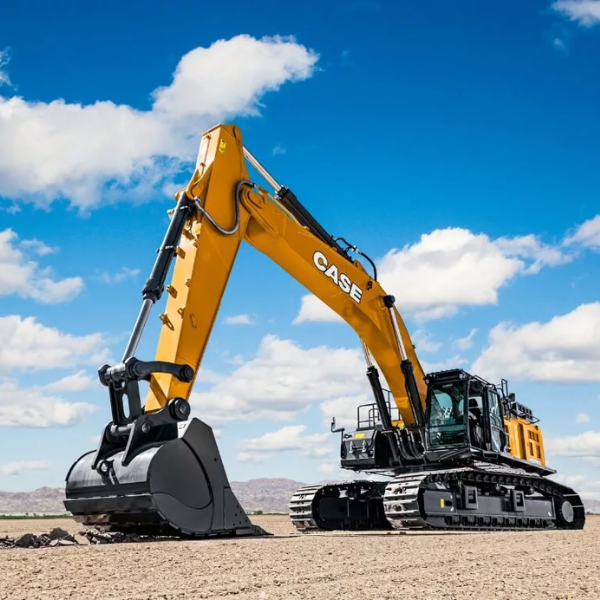
Large Excavator Recommend Products

Large Excavator Detail Introduction
Introduction
Large Excavators are the powerhouse of heavy-duty construction, engineered to tackle the most demanding excavation tasks with unparalleled strength and precision. These heavy machinery giants are essential for projects requiring significant earthmoving, deep digging, and material handling, such as skyscraper foundations, dams, and mining operations. With their robust builds and advanced hydraulic systems, Large Excavators enable contractors to achieve ambitious project goals efficiently, making them a cornerstone of modern construction excavators. As Dr. Thomas Reed, a construction equipment expert at the University of Texas, notes, “Large Excavators are critical for unlocking the potential of large-scale projects, delivering the power needed to move mountains—literally.”
The historical evolution of Large Excavators began in the early 20th century with steam-powered diggers, which gradually gave way to diesel and hydraulic models by the 1960s. Companies like Hitachi and Caterpillar pioneered advancements that increased digging capacity and operational efficiency, transforming Large Excavators into the sophisticated earthmoving equipment used today. Over the decades, these machines have grown in size and capability, adapting to the needs of industrialization and infrastructure development, and becoming synonymous with heavy-duty construction.
In large-scale projects, the importance of power and precision cannot be overstated, and Large Excavators excel in both. Their ability to dig deep, move massive amounts of earth, and operate in challenging conditions ensures that projects stay on schedule and within budget. From urban redevelopment to remote mining sites, Large Excavators provide the muscle and accuracy required to handle complex tasks, establishing them as indispensable tools for driving success in the most ambitious construction endeavors.
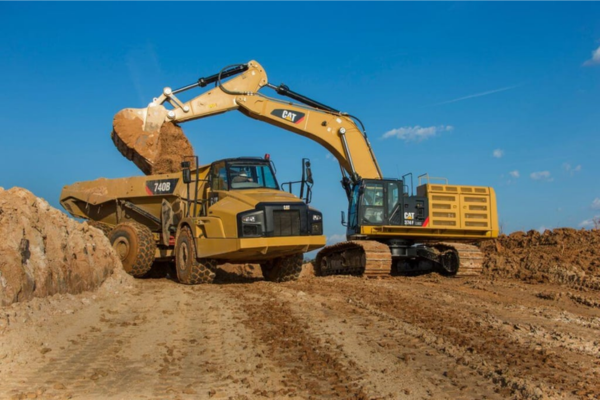
Key Features of Large Excavators
The formidable capabilities of Large Excavators in heavy-duty construction are driven by their advanced engineering and key features, making them a standout among heavy machinery. Their high digging capacity and robust build enable Large Excavators to handle massive volumes of earth and rock, with models from brands like Komatsu and Volvo capable of moving up to 50 tons or more per scoop. Constructed with reinforced steel frames and heavy-duty components, these construction excavators are designed to withstand the rigors of intense workloads in environments like quarries or deep foundation sites. As noted by Engineer Laura Martinez from Liebherr, “The sheer digging power of Large Excavators sets them apart, making them essential for projects that demand brute strength.”
Central to their performance are advanced hydraulic systems, which deliver the force and control needed for powerful excavation. These systems provide smooth, responsive movements, allowing Large Excavators to execute precise digging and lifting tasks, even under extreme conditions. High-pressure hydraulics ensure rapid cycle times, enabling operators to maximize productivity during large-scale earthmoving operations. This combination of power and finesse makes Large Excavators ideal for tasks requiring both heavy lifting and delicate precision in earthmoving equipment applications.
Additionally, Large Excavators boast enhanced reach and depth capabilities, with long booms and arms that can extend up to 30 meters or more, depending on the model. This allows them to dig deep trenches, excavate foundations, or reach high stockpiles with ease. Counterweights and wide tracks or undercarriages provide stability, ensuring safe operation on uneven terrain. These features collectively position Large Excavators as versatile and reliable tools, capable of meeting the diverse demands of heavy-duty construction projects with unmatched efficiency.
Applications of Large Excavators in Construction
Large Excavators are indispensable in heavy-duty construction, where their immense power and versatility drive the success of demanding projects. In major infrastructure projects, Large Excavators are critical for tasks like digging foundations for bridges, highways, and dams. Their ability to move vast amounts of earth quickly and precisely ensures that large-scale developments, such as urban transit systems or airports, progress efficiently. Project director Emily Chen from Bechtel Corporation states, “Large Excavators are the workhorses of infrastructure, enabling us to lay the groundwork for projects that shape cities and economies.”
In deep foundation and earthmoving tasks, Large Excavators excel at creating stable bases for towering structures like skyscrapers or industrial facilities. Equipped with long-reach booms and high-capacity buckets, these construction excavators can dig deep trenches or excavate large volumes of soil and rock in a single pass. Their precision is vital for ensuring structural integrity in projects requiring complex foundation work, such as high-rise buildings or wind turbine installations, making Large Excavators a cornerstone of earthmoving equipment in urban redevelopment.
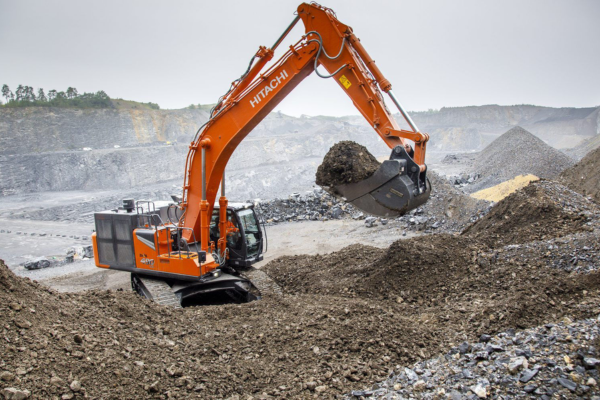
Beyond construction, Large Excavators provide critical support in mining and quarrying operations. They are used to extract ore, remove overburden, and manage stockpiles in open-pit mines and quarries, where their robust build and deep digging capabilities shine. Capable of operating in harsh, rocky environments, Large Excavators streamline material extraction and handling, boosting productivity in resource-intensive industries. From infrastructure to mining, the diverse applications of Large Excavators underscore their unmatched ability to tackle the toughest challenges in heavy-duty construction and beyond.
Benefits of Using Large Excavators
The adoption of Large Excavators in heavy-duty construction delivers transformative benefits that elevate project efficiency and reliability. One of the primary advantages is increased productivity for large-scale excavation. With their high digging capacity and rapid cycle times, Large Excavators can move massive amounts of earth or rock in a single operation, significantly reducing the time required for tasks like foundation digging or site preparation. This efficiency is critical for meeting tight project deadlines in major infrastructure developments. As noted by Dr. Robert Kline, a civil engineering professor at Columbia University, “Large Excavators redefine productivity, allowing contractors to handle monumental earthmoving equipment tasks with speed and precision.”
Another key benefit is the durability and reliability of Large Excavators in harsh conditions. Built with reinforced steel and heavy-duty components, these construction excavators are engineered to withstand extreme environments, such as rocky quarries, muddy construction sites, or remote mining operations. Their robust design minimizes downtime due to wear or breakdowns, ensuring consistent performance even under continuous heavy use. This reliability makes Large Excavators a trusted choice for projects where equipment failure is not an option, enhancing overall project success.
Operator safety and comfort are also significant advantages of modern Large Excavators. Equipped with spacious cabs, ergonomic controls, and advanced safety features like 360-degree cameras and collision avoidance systems, these machines prioritize the well-being of operators. Noise reduction technology and climate-controlled environments further reduce fatigue, enabling operators to maintain focus during long shifts. By combining productivity, durability, and user-focused design, Large Excavators empower contractors to tackle the most challenging heavy machinery tasks with confidence and efficiency.
Technological Advancements in Large Excavators
The capabilities of Large Excavators in heavy-duty construction have been significantly enhanced by cutting-edge technological advancements, improving their efficiency, precision, and sustainability. The integration of automation and GPS technology has transformed how Large Excavators operate. Automated digging systems and GPS-guided controls enable precise excavation, reducing material waste and ensuring accurate alignment for foundations or trenches. Telematics systems provide real-time data on machine performance and fuel usage, optimizing operations. As Dr. Sarah Nguyen, a construction technology expert at MIT, states, “The automation in Large Excavators is revolutionizing heavy machinery, delivering precision that accelerates large-scale projects.”
Eco-friendly innovations are also reshaping Large Excavators to meet the demands of sustainable construction. Manufacturers like Caterpillar and Hitachi are developing hybrid and electric models that reduce emissions and fuel consumption, making them suitable for environmentally sensitive sites. Advanced engine technologies, such as those meeting Tier 5 standards, further minimize environmental impact while maintaining the power needed for construction excavators. These green advancements ensure that Large Excavators align with global sustainability goals, appealing to contractors prioritizing eco-conscious practices.
Looking ahead, future trends in Large Excavator design point toward greater autonomy and connectivity. Developments in remote operation and fully autonomous systems are emerging, allowing Large Excavators to perform tasks in hazardous environments with minimal human intervention. Integration with IoT platforms enables fleet management and predictive maintenance, reducing downtime and costs. These innovations position Large Excavators at the forefront of earthmoving equipment, ensuring they continue to drive efficiency and innovation in heavy-duty construction and mining for years to come.
Case Studies: Large Excavators in Action
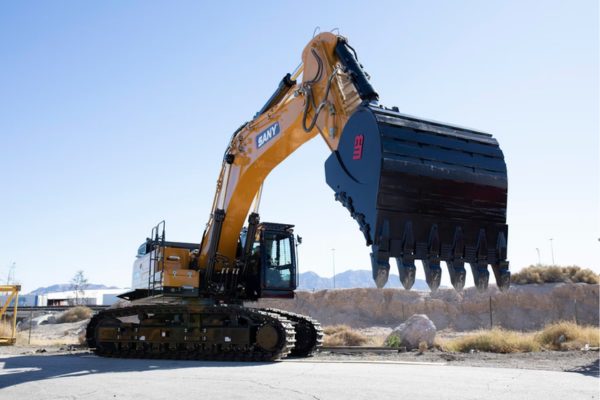
The real-world impact of Large Excavators in heavy-duty construction is vividly illustrated through their successful applications in challenging projects. A successful dam construction project in Brazil showcases their prowess. During the development of a major hydroelectric dam, Large Excavators were deployed to excavate deep foundations and remove massive volumes of earth and rock. Their high digging capacity and long-reach booms enabled rapid progress in the rugged terrain, ensuring the project met critical milestones. Project engineer Carlos Mendes noted, “Large Excavators were instrumental in handling the scale of this dam, proving their unmatched strength in earthmoving equipment tasks.”
Another example is the efficiency in a major urban redevelopment project in Singapore, where Large Excavators played a pivotal role in transforming a downtown district. Tasked with digging deep foundations for a cluster of high-rise buildings, these construction excavators navigated dense urban environments with precision. Their advanced GPS systems ensured accurate excavation for complex foundation layouts, minimizing disruption to surrounding infrastructure. Site manager Li Wei commented, “The precision and power of Large Excavators allowed us to execute this urban project flawlessly, even under tight spatial constraints.”
Key insights from real-world Large Excavator applications highlight their ability to combine raw power with precision, making them indispensable for large-scale construction. These case studies demonstrate how Large Excavators accelerate timelines, enhance accuracy, and tackle challenging conditions, from remote dam sites to bustling cityscapes. Their proven performance in diverse scenarios underscores their critical role in advancing heavy machinery capabilities, offering contractors reliable solutions for the most ambitious construction challenges.
Conclusion
Large Excavators have redefined heavy-duty construction with their unmatched power, precision, and versatility, driving the success of projects from dams to urban skyscrapers. Their robust design, advanced technologies, and ability to handle massive excavation tasks make them indispensable in infrastructure, mining, and redevelopment. Real-world applications demonstrate how Large Excavators enhance productivity and reliability, solidifying their position as critical earthmoving equipment in the industry.
As construction demands grow, adopting advanced Large Excavator solutions is essential for contractors aiming to excel in large-scale projects. With innovations like automation, eco-friendly systems, and enhanced operator safety, these construction excavators are poised to meet future challenges sustainably and efficiently. Investing in Large Excavators ensures readiness for the evolving landscape of heavy-duty construction, empowering professionals to achieve ambitious goals with confidence.
Common Questions About Large Excavators
What is a Large Excavator and what is it used for?
A Large Excavator is a powerful heavy machinery unit designed for heavy-duty excavation tasks in construction and mining. With high digging capacity and long-reach booms, Large Excavators are used for deep foundation digging, earthmoving, and material handling in projects like dams, highways, and quarries, making them essential construction excavators.
What are the key benefits of using Large Excavators?
Large Excavators boost productivity with rapid excavation and high load capacity, reducing project timelines. Their durability ensures reliability in harsh conditions, while advanced safety features and ergonomic cabs enhance operator comfort, making them a top choice for earthmoving equipment in large-scale projects.
How do Large Excavators differ from smaller excavators?
Unlike smaller excavators, Large Excavators offer greater digging power, deeper reach, and higher capacity, suited for massive tasks like mining or deep foundations. Their robust build and advanced hydraulics make them ideal for heavy-duty heavy machinery applications, while smaller models focus on compact or lighter tasks.
Are Large Excavators environmentally friendly?
Modern Large Excavators incorporate eco-friendly innovations, such as hybrid or electric models and Tier 5-compliant engines, reducing emissions and fuel use. These advancements align with sustainable construction practices, ensuring Large Excavators support green initiatives in construction excavators projects.
What safety features do Large Excavators include?
Large Excavators are equipped with safety features like 360-degree cameras, collision avoidance systems, and reinforced cabs for operator protection. GPS-guided controls and real-time monitoring enhance precision and safety, making Large Excavators reliable for high-risk earthmoving equipment environments.