



A Small Excavator, also known as a mini excavator, is a compact and versatile piece of heavy equipment commonly used in construction, landscaping, and utility work. Designed for maneuverability in tight spaces, these machines are ideal for tasks such as digging trenches, planting trees, lifting heavy materials, and demolishing small structures. Small Excavators are equipped with a hydraulic system that powers the boom, arm, and bucket, allowing for precise and efficient operation. Their small size makes them suitable for urban environments, residential projects, and areas where larger machinery cannot access.Small Excavators are highly adaptable and can be fitted with various attachments, such as augers, breakers, and compactors, to expand their functionality. They are fuel-efficient, environmentally friendly, and relatively easy to operate, requiring minimal training for basic tasks. Thanks to their compact design and advanced hydraulic systems, Small Excavators have become an essential tool for contractors seeking a cost-effective and efficient solution for a wide range of projects.
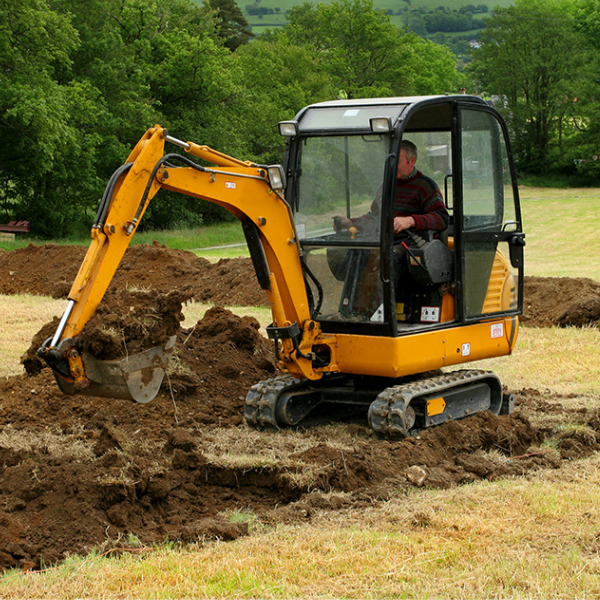
Small Excavator Recommend Products

Small Excavator Detail Introduction
Introduction
In the ever-evolving world of construction, small excavators have emerged as indispensable tools for tackling compact construction projects with precision and efficiency. These compact excavators, often referred to as mini excavators, are designed to navigate tight spaces and deliver powerful performance, making them the backbone of small-scale construction endeavors. Unlike their larger counterparts, small excavators offer unmatched versatility, allowing contractors to execute tasks ranging from landscaping to urban renovations with minimal disruption. As urban areas grow denser and environmental considerations take center stage, the demand for construction equipment like small excavators continues to rise.
The importance of compact excavators in small-scale projects cannot be overstated. According to John Deere’s Construction Division Manager, Sarah Johnson, “Small excavators are revolutionizing how we approach confined job sites, offering the power of larger machines in a fraction of the space.” Their ability to maneuver in restricted areas, such as residential backyards or crowded city streets, ensures that projects are completed on time without compromising quality. Whether it’s digging trenches for utilities or shaping terrain for aesthetic purposes, mini excavators provide contractors with the flexibility and control needed to meet the unique demands of compact construction. This article explores why small excavators are critical to modern construction, delving into their features, applications, and future potential.
Key Features of Small Excavators
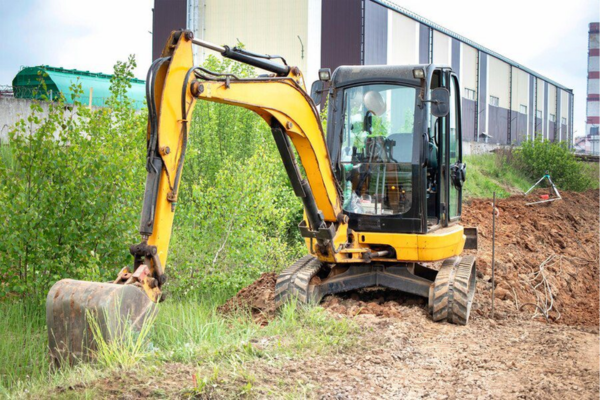
Small excavators stand out in the realm of construction equipment due to their unique features, which cater specifically to the demands of compact construction projects. One of their most notable attributes is their compact size and exceptional maneuverability, allowing them to operate in confined spaces where larger machines cannot. With widths as narrow as 3 feet and zero-tail-swing designs, mini excavators can navigate tight job sites, such as urban alleyways or residential gardens, with ease. This agility ensures that contractors can tackle projects without causing damage to surrounding structures or landscapes.
Another key feature of small excavators is their versatility, thanks to a wide range of attachments like buckets, augers, and hydraulic breakers. These excavation tools enable operators to switch between tasks—such as digging, drilling, or breaking concrete—without needing multiple machines. As Bobcat’s Product Specialist, Mark Thompson, notes, “The ability to customize a compact excavator with specialized attachments makes it a multi-tool for contractors, boosting productivity on small-scale sites.” This adaptability reduces downtime and enhances project efficiency.
Additionally, small excavators are designed with fuel efficiency and cost-effectiveness in mind. Many models incorporate advanced engines that minimize fuel consumption while delivering robust performance. Their lower operational costs, combined with reduced maintenance needs, make mini excavators an economical choice for contractors. By blending power, precision, and affordability, these machines solidify their role as essential assets in compact construction, meeting the needs of both small businesses and large firms working on constrained job sites.
Applications of Small Excavators in Compact Projects
Small excavators are versatile powerhouses that excel in a variety of compact construction scenarios, making them indispensable for projects requiring precision and adaptability. In landscaping and garden construction, mini excavators are widely used for tasks such as digging ponds, shaping terrain, and installing irrigation systems. Their compact footprint allows them to work in confined backyard spaces without damaging existing greenery or structures. According to landscape architect Emily Rivera, “A compact excavator is a game-changer for creating intricate designs in small spaces, offering the precision needed for high-quality results.”
In urban construction and renovations, small excavators shine by navigating tight city environments where larger machines are impractical. They are commonly employed for foundation work, demolition, and site preparation in densely populated areas. Their ability to operate in narrow alleys or between buildings ensures minimal disruption to surrounding infrastructure. For instance, excavation tools like hydraulic breakers attached to small excavators make quick work of breaking up concrete during building retrofits, enhancing efficiency in urban renewal projects.
Additionally, small excavators play a critical role in utility installations, such as plumbing and electrical systems. They are ideal for digging precise trenches for water lines, gas pipes, or underground cables, ensuring accuracy while adhering to safety standards. “The pinpoint accuracy of a mini excavator is unmatched when installing utilities in confined spaces,” says Mike Larson, a utility contractor with over 20 years of experience. By addressing the unique demands of landscaping, urban construction, and utility work, small excavators prove their versatility and value across diverse compact construction applications.
Benefits of Using Small Excavators
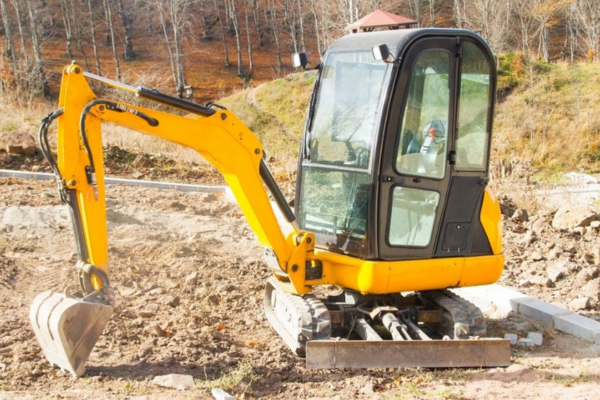
Small excavators offer a range of benefits that make them the preferred choice for compact construction projects, combining efficiency with environmental and economic advantages. One of their primary benefits is their reduced environmental impact and minimal site disruption. Thanks to their lightweight design and compact footprint, mini excavators cause less soil compaction and damage to existing landscapes compared to larger machines. This is particularly valuable in residential or ecologically sensitive areas. As environmental engineer Dr. Laura Bennett states, “Using a compact excavator significantly lowers the ecological footprint of construction, preserving the integrity of the site.”
Another key advantage is the enhanced precision small excavators provide for delicate tasks. Whether it’s digging narrow trenches for irrigation or sculpting intricate landscaping features, these machines offer operators fine-tuned control. Their advanced hydraulic systems and responsive controls ensure accurate movements, reducing the risk of errors in tight spaces. This precision is critical for projects requiring meticulous attention to detail, such as installing utility lines or renovating historic structures.
Furthermore, small excavators deliver lower operational and maintenance costs, making them a cost-effective solution for contractors. Their fuel-efficient engines consume less diesel or electricity, and their simpler designs require less frequent maintenance than larger construction equipment. “The affordability of operating a mini excavator allows small businesses to compete on projects that were once dominated by bigger firms,” notes construction economist David Patel. By minimizing environmental impact, ensuring precision, and reducing costs, small excavators solidify their position as essential tools for compact construction success.
Comparison with Larger Excavators
When it comes to construction projects, the choice between small excavators and larger excavators is crucial. While both types of machines have their unique advantages, small excavators are particularly well-suited for compact projects where precision, maneuverability, and efficiency are paramount.
One of the primary differences between small and larger excavators lies in their size and power. Larger excavators are designed for heavy-duty tasks such as large-scale excavation, mining, and demolition. They boast significant digging power and can handle massive loads, making them ideal for projects that require substantial earthmoving capabilities. However, their size and weight often limit their ability to operate in confined spaces or on job sites with limited access.
In contrast, small excavators are engineered for agility and versatility. Their compact size allows them to navigate tight spaces, such as urban construction sites, residential areas, and landscaping projects, where larger machines would be impractical or impossible to maneuver. This makes small excavators the preferred choice for tasks that require precision and access to confined areas.
Another key difference is the application scope. Larger excavators are typically used for heavy construction, such as building foundations, roadworks, and large-scale landscaping projects. They are equipped with powerful hydraulic systems and robust attachments to handle demanding tasks. On the other hand, small excavators excel in smaller-scale projects, including utility installations, minor renovations, and delicate landscaping work. Their versatility allows them to be fitted with a wide range of attachments, such as augers, breakers, and compactors, making them suitable for diverse tasks.
Technological Advancements in Small Excavators
The world of small excavators has seen remarkable technological advancements in recent years, transforming them into even more efficient and versatile tools for modern construction. These innovations not only enhance performance but also improve operator comfort, safety, and environmental sustainability. Here are some of the key advancements driving the evolution of small excavators:
Integration of Smart Technology
Modern small excavators are increasingly equipped with smart technologies such as GPS and telematics systems. These tools allow operators to monitor machine performance, track usage patterns, and optimize fuel efficiency in real time. For example, GPS-enabled systems can help contractors plan excavation routes more efficiently, reducing unnecessary movements and saving time. Telematics also enable remote diagnostics, allowing technicians to identify and address potential issues before they escalate into costly repairs.
Improved Ergonomics and Operator Comfort
Ergonomics has become a focal point in the design of small excavators. Manufacturers are incorporating features such as adjustable seats, vibration-dampening systems, and intuitive control panels to reduce operator fatigue and improve productivity. For instance, some models now feature joysticks with haptic feedback, providing precise control while minimizing strain on the operator. Additionally, improved visibility through larger windows and advanced camera systems enhances safety and accuracy during operation.
Eco-Friendly Models with Electric or Hybrid Options
As the construction industry shifts toward sustainability, small excavators are also evolving to meet environmental standards. Electric and hybrid models are gaining popularity due to their lower emissions and reduced noise levels, making them ideal for urban construction sites and residential areas. Electric excavators, in particular, offer zero emissions and lower operating costs, while hybrid models combine the benefits of both electric and diesel power for optimal performance. These advancements not only benefit the environment but also align with stricter regulations on emissions and noise pollution.
Advanced Hydraulic Systems
Hydraulic systems in small excavators have seen significant improvements, offering greater precision and power. Modern systems use variable displacement pumps and advanced control algorithms to deliver optimal performance while conserving fuel. This results in faster cycle times, reduced energy consumption, and improved overall efficiency. Additionally, some models now feature load-sensing hydraulics, which automatically adjust power output based on the task at hand, further enhancing productivity.
Enhanced Safety Features
Safety is a top priority in the design of modern small excavators. Advanced features such as rollover protection structures (ROPS), falling object protective structures (FOPS), and emergency shutdown systems ensure operator safety in challenging conditions. Some models also include proximity sensors and cameras to detect obstacles and prevent accidents, particularly in tight or confined spaces.
These technological advancements are reshaping the small excavator landscape, making them more powerful, efficient, and environmentally friendly than ever before. As contractors continue to demand smarter, safer, and more sustainable equipment, the future of small excavators looks promising, with even more innovations on the horizon.
Case Studies: Small Excavators in Action
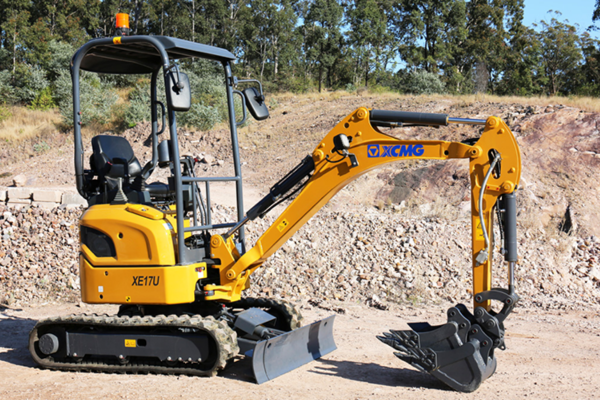
Real-world examples of successful compact construction projects highlight the versatility and efficiency of small excavators. These case studies demonstrate how contractors leverage the unique capabilities of small excavators to achieve remarkable results in various applications.
Landscaping and Garden Construction
A prominent landscaping company in urban Texas utilized small excavators to transform a neglected backyard into a picturesque garden. The project involved digging trenches for irrigation systems, creating water features, and leveling the terrain. The compact size of the excavator allowed the crew to maneuver effortlessly around existing trees and structures, minimizing disruption to the surrounding landscape. The project was completed ahead of schedule, with the client praising the precision and minimal environmental impact of the work.
Urban Construction and Renovations
In a bustling city center, a construction firm employed small excavators for a high-end residential renovation project. The machines were used to dig foundations for a new extension, remove debris from tight spaces, and install underground utilities. The excavators' ability to operate in confined areas without causing damage to adjacent buildings was crucial to the project's success. The contractor noted that the excavators' fuel efficiency and low emissions also contributed to a more sustainable construction process.
Utility Installations
A utility company tasked with installing underground plumbing and electrical systems in a suburban neighborhood relied on small excavators to complete the job efficiently. The machines were used to dig trenches for pipes and cables, backfill the trenches, and compact the soil. The excavators' versatility allowed the crew to switch between different attachments, such as trenchers and compactors, seamlessly. The project was completed with minimal disruption to residents, and the utility company appreciated the excavators' ability to work in tight spaces without compromising on performance.
Testimonials from Contractors on Efficiency and Performance
Contractors who have used small excavators in their projects often highlight their efficiency and performance. John, a contractor specializing in residential renovations, remarks, "The compact size and maneuverability of small excavators make them ideal for tight spaces. They save time and reduce the risk of damaging surrounding structures." Similarly, Maria, a landscape architect, notes, "The versatility of small excavators allows us to tackle a wide range of tasks, from digging trenches to installing water features. They are a game-changer for our projects."
Conclusion
The future of small excavators in construction is bright, driven by their growing demand and continuous technological advancements. As urbanization accelerates and construction projects become more complex, the need for compact, efficient, and versatile machinery has never been greater. Small excavators are uniquely positioned to meet these demands, offering solutions that balance power, precision, and environmental responsibility.
Their adaptability to tight spaces, combined with advancements in smart technology, eco-friendly designs, and enhanced ergonomics, ensures that small excavators will remain a cornerstone of modern construction. Contractors are increasingly relying on these machines for their ability to deliver high performance while minimizing environmental impact and operational costs.
As the industry evolves, small excavators will continue to play a pivotal role in shaping the future of construction. By embracing innovation and sustainability, these machines are not only transforming the way projects are executed but also paving the way for a more efficient and environmentally conscious construction landscape. Choosing the right small excavator for your project is no longer just a matter of functionality—it’s an investment in the future of construction itself.
FAQs: Common Questions About Small Excavators
What is a small excavator, and how is it different from a larger excavator?
A small excavator, also known as a mini excavator, is a compact piece of heavy equipment designed for precision and maneuverability in tight spaces. Unlike larger excavators, which are used for heavy-duty tasks like mining or large-scale excavation, small excavators are ideal for smaller projects such as landscaping, utility installations, and home renovations. Their compact size allows them to operate in confined areas where larger machines cannot fit.
What are the key features of a small excavator?
Small excavators are characterized by their compact size, hydraulic systems for precise control, and versatility. They can be equipped with various attachments, such as buckets, augers, breakers, and compactors, to perform a wide range of tasks. Additionally, they are fuel-efficient, environmentally friendly, and relatively easy to operate, making them a popular choice for contractors and DIY enthusiasts alike.
Are small excavators easy to operate?
Yes, small excavators are designed with user-friendly controls, making them relatively easy to operate, even for beginners. Many models come with ergonomic joysticks and intuitive hydraulic systems that simplify tasks like digging, lifting, and rotating. However, proper training and safety precautions are essential to ensure safe and efficient operation.
How much does a small excavator cost?
The cost of a small excavator varies depending on the brand, size, and features. Entry-level models can range from 20,000to40,000, while more advanced or specialized machines may cost upwards of $50,000. Rental options are also available for those who need a small excavator for short-term projects.
What are the environmental benefits of using a small excavator?
Small excavators are designed to be fuel-efficient and produce lower emissions compared to larger machines. Many modern models are equipped with eco-friendly technologies, such as hybrid or electric powertrains, which further reduce their environmental impact. Additionally, their compact size minimizes site disruption and soil compaction, making them a sustainable choice for construction projects.
Can small excavators be used in residential areas?
Absolutely! Small excavators are ideal for residential projects due to their compact size and ability to operate in tight spaces. They are commonly used for tasks like digging trenches for utilities, installing fences, or landscaping. Their low noise levels and minimal vibration also make them suitable for use in neighborhoods.